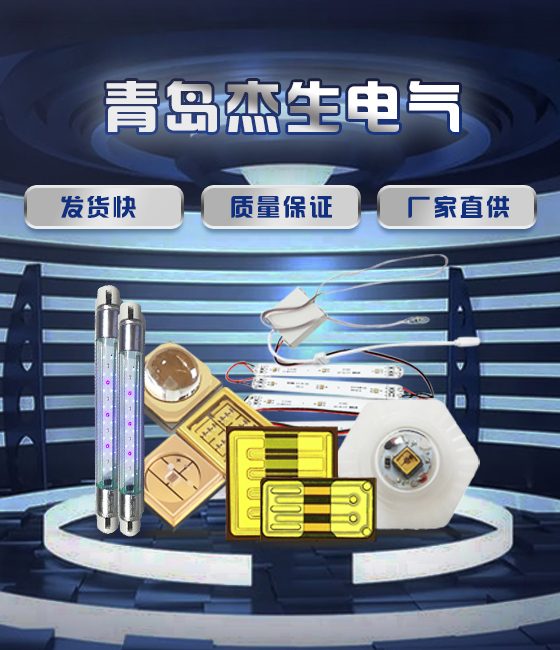
The two families
| Family | Format | Catalogued models |
|---|---|---|
| LED35 | 3535 SMD | LED35ABA · LED35ADA · LED35AF · LED35AGA · LED35FGA · LED35FHC |
| LED68 | 6868 SMD | LED68c · LED68CGA |
The naming is literal: 35 denotes the 3535 class and 68 the 6868 class — the two industry-standard SMD footprint designations for deep UV devices. Those dimensions name the nominal format class of each family; the exact dimensions, tolerances and land pattern of a specific model are per-model documentation questions — ask what is recorded for the model you are sourcing. Model-level differences inside each family — band, output class and lens or window options — are likewise established per model in the enquiry exchange.
Known, confirmed, and what to send
Known from the catalogue: the two families, their catalogued model lists and their nominal format classes. To establish per model: whether band, output class, exact dimensions, land pattern, reflow conditions and thermal ratings are documented for the named model, and what they show. Send with your enquiry: target band, board and thermal design, intended drive point and quantities, so the answers are matched to the model you will actually build with.
Custom package formats
Alongside the two standard families above, the company's published package offer includes custom package formats, quoted per project against the target band and board design.
Choosing between 3535 and 6868
- 3535 — the LED35 family: six catalogued models on the 3535 format class.
- 6868 — the larger format class: the LED68 family and its two catalogued models.
Integration notes
Ask which drive conditions, thermal limits and optical ratings are documented for the named model — what its documentation records is established in the enquiry exchange; if your design starts from a finished emitter instead, see the module range — which packages a given module model actually uses is confirmed per model in the quotation.
Reading the model codes
The family codes are descriptive as far as the catalogue defines them: LED35 and LED68 name the 3535 and 6868 format classes, and the trailing characters distinguish catalogued models within each family. What a given suffix encodes — band, output class or construction variant — is not recorded in the material this site holds. State the target band and application in the enquiry, and ask what the suffix encodes for the model you are sourcing, and which catalogue code matches it. Both families are catalogued forms; which chip a given package model carries is established per model in the enquiry exchange. The LED68 format carries the company's development record as well: industry coverage from 2017 describes a 1000 mW-class 275 nm lamp built as a 3×3 array of nine 6868-packaged devices.
Samples and evaluation
For evaluation, state the named band and application in the enquiry, and ask whether evaluation quantities of LED35 and LED68 models can be supplied against them, and which band and bin they would carry.
The package record
The package catalogue lists eight models across the two families, and its naming rule is literal: 68 denotes the 6868 format and 35 the 3535 format. Alongside the standard families, the published package offer includes custom package formats, quoted per project. Which band, output class and ratings are documented for a named model is established per model in the enquiry exchange.
Request a quotation
Tell us the wavelength, package format and quantity you are sourcing. Minimum order quantities and lead times are confirmed per product line in the quotation, against the named model and the quantities the enquiry states.
Send an Enquiry